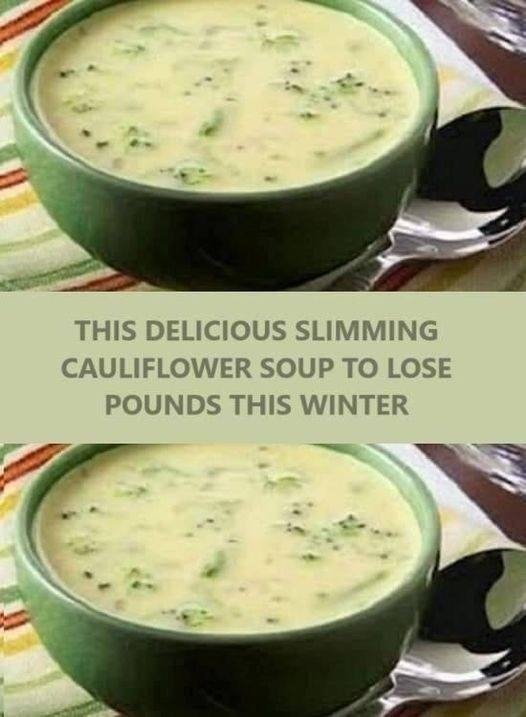
Preparation:
Place all the ingredients in a pot.
Cover with water and bring to a boil.
Mix while boiling for 10 minutes.
Reduce the heat and simmer until the vegetables are tender.
Cabbage Soup Diet Plan
You can eat the soup as often as you like while following the guidelines for each day:
Day 1: Eat as much fruit as you want, except bananas.
Day 2: Consume unlimited vegetables, avoiding corn and potatoes.
Day 3: Enjoy a mix of fruits and vegetables, following the previous restrictions.
Day 4: Eat only the soup.
Day 5: Add grilled turkey or fish to the soup.
Day 6: Include fruits and meat as accompaniments to the soup.
Day 7: Enjoy vegetables and brown rice with the soup.
Final Thoughts
see continuation on next page
To maintain the results of this diet, it’s essential to transition back to a balanced diet low in fat and sugar while engaging in regular physical activity and staying hydrated.
Warning: Always consult your doctor before starting any weight loss program. Note that cabbage and parsley may be contraindicated for those on anticoagulant medications
Conclusion
The idea of a “fat-burning soup” is appealing because it promises fast and effortless results. However, the human body does not work in such a simple or extreme way. No single food—whether a soup, drink, or ingredient—can dramatically accelerate fat loss on its own.
When people lose a large amount of weight quickly on diets like the Cabbage Soup Diet, the change is usually due to water loss and a sharp drop in calorie intake rather than actual fat reduction. This is why the results are often short-lived, and the weight tends to return once normal eating resumes.
Another important issue is sustainability. Diets that rely on eating one type of food repeatedly can be difficult to maintain and may deprive the body of essential nutrients. Over time, this can lead to fatigue, weakness, and an overall decline in well-being.
On the positive side, soups made with vegetables—such as those containing Cabbage—can still play a valuable role in a healthy lifestyle. They can help control hunger, reduce calorie intake, and support gradual, sustainable weight loss when combined with balanced meals and regular physical activity.
Ultimately, long-term weight loss is not about quick fixes but about consistency. Healthy eating habits, portion control, and an active lifestyle are far more effective and reliable than any short-term diet trend. Instead of chasing rapid results, focusing on steady progress and overall health will lead to better and lasting outcomes.
