Introduction
It’s easy to overlook the potential hidden in everyday kitchen scraps, especially something as simple as a lemon peel. Most of us squeeze lemons for their juice and discard the rind without a second thought. Yet, within those fragrant peels lies an incredible opportunity to create something both practical and extraordinary—homemade lemon powder. This simple transformation turns what would have been waste into a versatile, aromatic ingredient that can elevate your cooking in surprising ways.
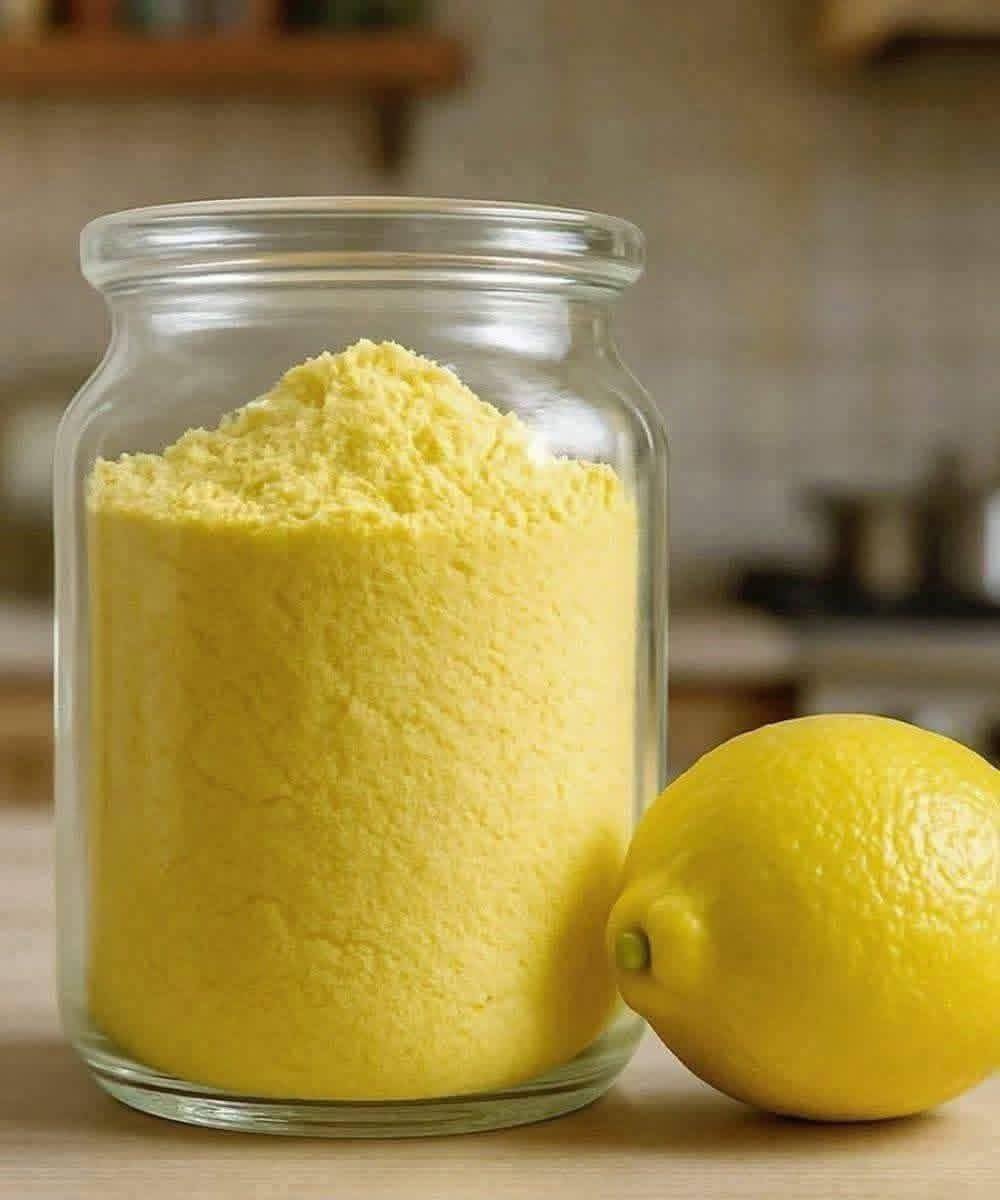
Lemon powder captures the very essence of citrus in its most concentrated form. With its bright, tangy aroma and refreshing flavor, it brings a burst of sunshine to both sweet and savory dishes. Whether sprinkled into baked goods, stirred into marinades, or used to enhance sauces and beverages, this fine powder delivers a depth of flavor that feels vibrant and natural. It’s like having the freshness of lemon zest available at any moment, neatly stored in a jar.
Beyond its culinary appeal, making lemon powder is also a thoughtful and sustainable practice. By reusing lemon peels—especially from organic fruits—you reduce food waste while maximizing the value of your ingredients. This approach reflects a mindful way of cooking, where nothing goes to waste and even the simplest elements are appreciated for their full potential. Easy to prepare and incredibly rewarding, lemon powder is a small kitchen project that delivers big results.
Introduction
Everybody has squeezed a lemon for juice or a dish and then carelessly thrown away the rind. But these peels, which we assumed were useless, conceal a surprising culinary gem: handmade lemon powder. This easy, cost-effective, and distinctive approach will give your dishes and desserts a little extra zing. Are you prepared to find this fragrant treasure?
Imagine an ingredient that complements your savory dishes and soft desserts, that comes in a little jar, and that smells like summer. That’s precisely what lemon powder provides. Made from dried and finely ground lemon zest, it adds a vibrant, fresh scent that works well in a variety of dishes. Reusing the peels is also a great way to reduce food waste and make the most of every centimeter of our lemons, especially if they are grown organically.
Ingredients
Organic or untreated lemons (as many as desired)
Cold water (for washing)
Instructions
Selecting the right lemons: Choose organic or untreated lemons to avoid chemical residues and ensure a deeper scent.
Preparing the zest: Wash the lemons thoroughly in cold water and pat them dry. Use a vegetable peeler or small knife to remove the zest, avoiding the bitter white pith.
Drying the zest:
Sun-drying: Spread the zest on a clean cloth in a bright area for 2–3 days, bringing it indoors at night to avoid humidity.
Oven-drying: Place the zest on a baking sheet and dry at the lowest temperature (around 140°F/60°C) for 1–2 hours, checking frequently.
Dehydrator: Dry at 135°F (57°C) for 2–3 hours until brittle.
Grinding the zest: Once completely dry, grind the zest into a fine powder using a spice grinder, mortar and pestle, or blender.
Storing: Transfer the powder to an airtight container and keep it in a cool, dark place.
Variations
See next page
