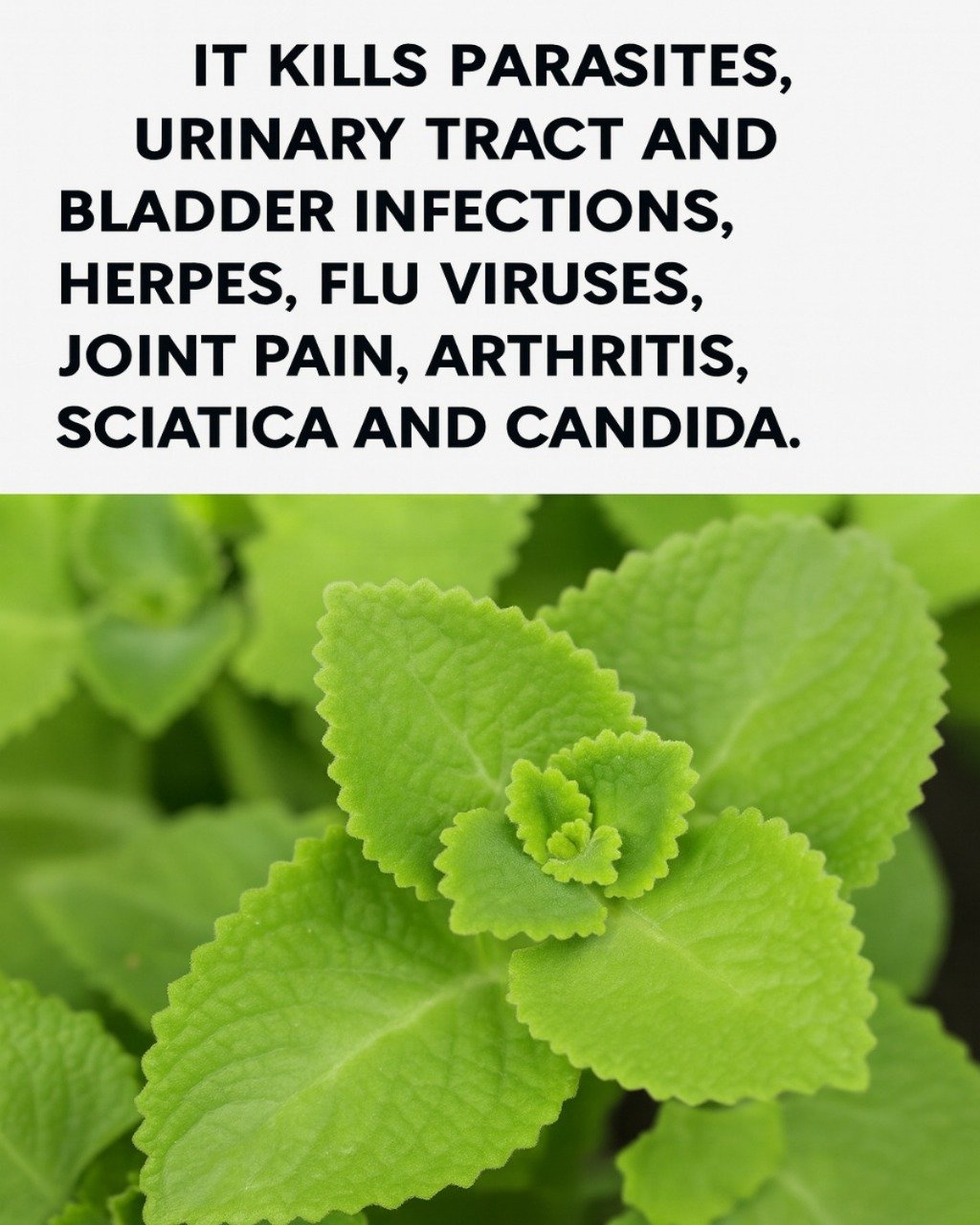
Here’s how to safely add oregano to your routine: start with a small amount, like half a teaspoon of dried oregano or a few fresh leaves daily. You can brew an oregano tea by steeping one teaspoon of dried oregano in hot water for 5-10 minutes, then straining it. Add a touch of honey if you like. Mark, a 65-year-old retiree, said this tea became his go-to for a soothing evening ritual. Check with a healthcare professional first, especially if you’re on blood thinners or have allergies, as oregano can be potent.
Another easy way is to use oregano in cooking. Toss it into pasta sauces, sprinkle it on grilled fish, or mix it into scrambled eggs. Its bold flavor enhances dishes while delivering potential health perks. Research suggests that even small amounts of oregano can provide antioxidants, which may support your body against oxidative stress—damage from environmental factors like pollution. Pair this with a diet rich in fruits, vegetables, and whole grains for maximum benefits.
Oregano’s versatility doesn’t stop there. You can make a simple oregano-infused oil for cooking by steeping dried oregano in olive oil for a week, then straining it. Use it to drizzle over salads or roasted veggies. Some studies suggest that oregano oil, when used sparingly, may have antimicrobial properties, potentially supporting oral health or skin wellness. However, never apply oregano oil directly to your skin or consume it undiluted—always dilute it and consult a healthcare professional to ensure it’s safe for you.
Why is oregano so special? It’s affordable, widely available, and packed with compounds that are often under-recognized for their potential. While it’s not a cure-all—nothing is—it’s a simple way to add flavor and possible health benefits to your life. Studies also suggest oregano may support blood sugar regulation or cholesterol levels in some cases, though more research is needed. Always talk to a doctor before using oregano for specific health goals, as it can interact with medications or cause reactions in some people.
Incorporating oregano is a breeze. Try adding it to one meal a day or sipping that tea we mentioned. Start small to avoid side effects like stomach upset, which can happen if you overdo it. A quick chat with your healthcare provider can confirm if oregano fits your needs, especially if you have conditions like acid reflux or diabetes. Consistency is key—small, sustainable changes can make a difference over time.
Oregano has been a staple in traditional remedies for centuries, and modern science is starting to uncover why. From supporting your immune system to potentially easing digestion and inflammation, its benefits are worth exploring. But results vary, and it’s not a replacement for medical care. Combine oregano with other healthy habits, like staying hydrated, exercising, and getting enough sleep, to support your overall wellness.
Ready to try oregano’s potential? Pick one idea—like adding it to your dinner or brewing that tea—and test it out this week. Share your experience in the comments on our website; we’d love to hear how it goes! Small steps like these can fit into any routine, and you might just discover a new favorite way to support your health.
